Longhorn — Real-Time Brand Visualization System
A branded vehicle reference translated into a controllable 3D visualization system, evolving from a single hero vehicle into a scalable real-time fleet environment.
3D Scene Development · Look Development · Material Setup · Lighting · Camera · Real-Time Rendering
Cinema 4D · Unreal Engine · Brand Asset Adaptation
Real-time brand visualization exploration
The project explored how a flat vehicle wrap design could evolve into a dimensional 3D system for presentation, look development, and real-time visualization. Starting from supplied brand references, I developed the vehicle materials, scene composition, lighting, and camera language to evaluate how the identity performed under realistic conditions. The system was later expanded from a single vehicle visualization into a branded fleet environment inside Unreal Engine, testing consistency, scale, and cinematic presentation.
One branded asset, carried through the complete real-time workflow.
The case now presents the complete handoff—from supplied brand references and vehicle graphics to asset preparation, real-time lighting, camera work, fleet staging, and final motion output.
- 01Brand inputsSupplied identity and wrap references
- 02Vehicle graphicsLogo placement and graphic proportions
- 03Cinema 4DVehicle development and material setup
- 04Asset preparationScene hierarchy and engine handoff
- 05Unreal EngineFleet assembly and environment staging
- 06Real-time lightingCamera, reflections and iteration
- 07Final outputCinematic branded visualization
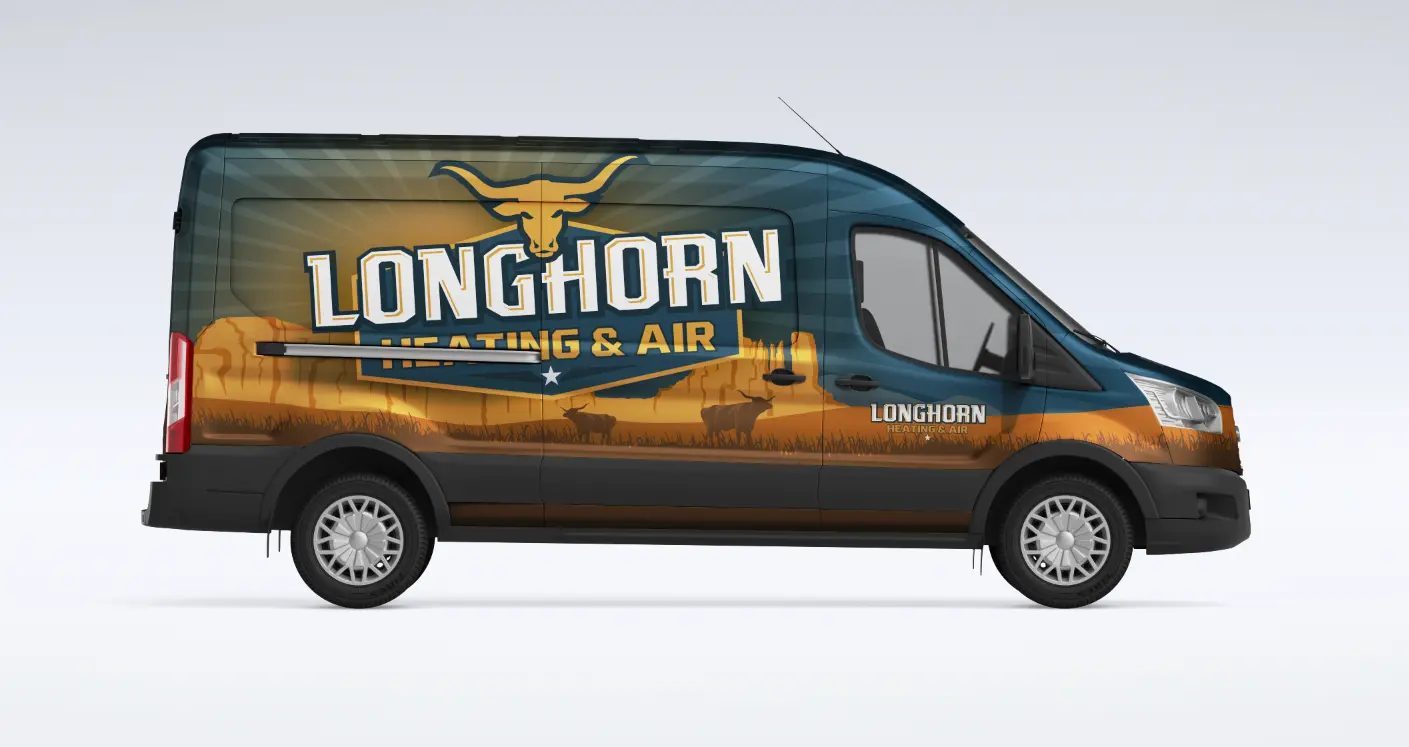
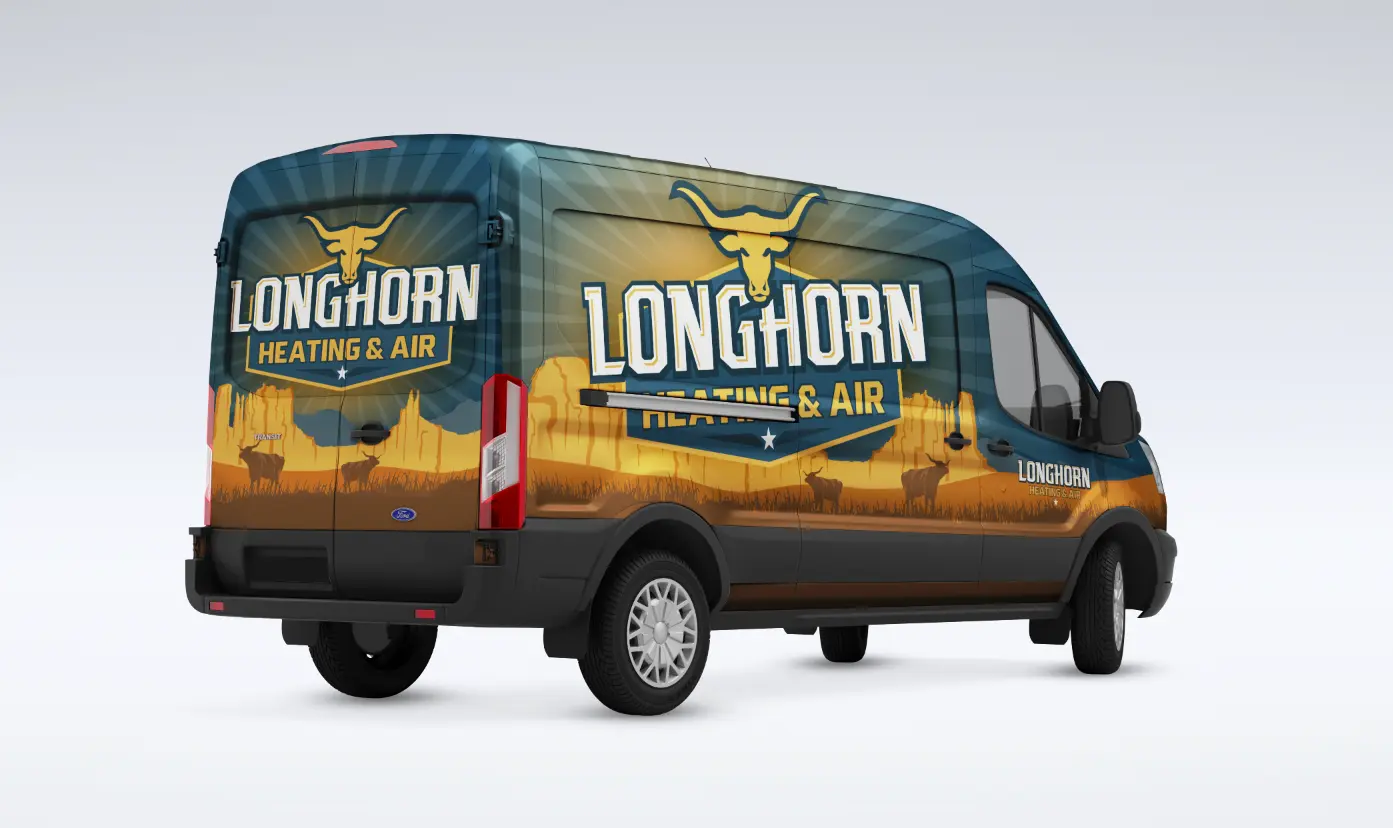
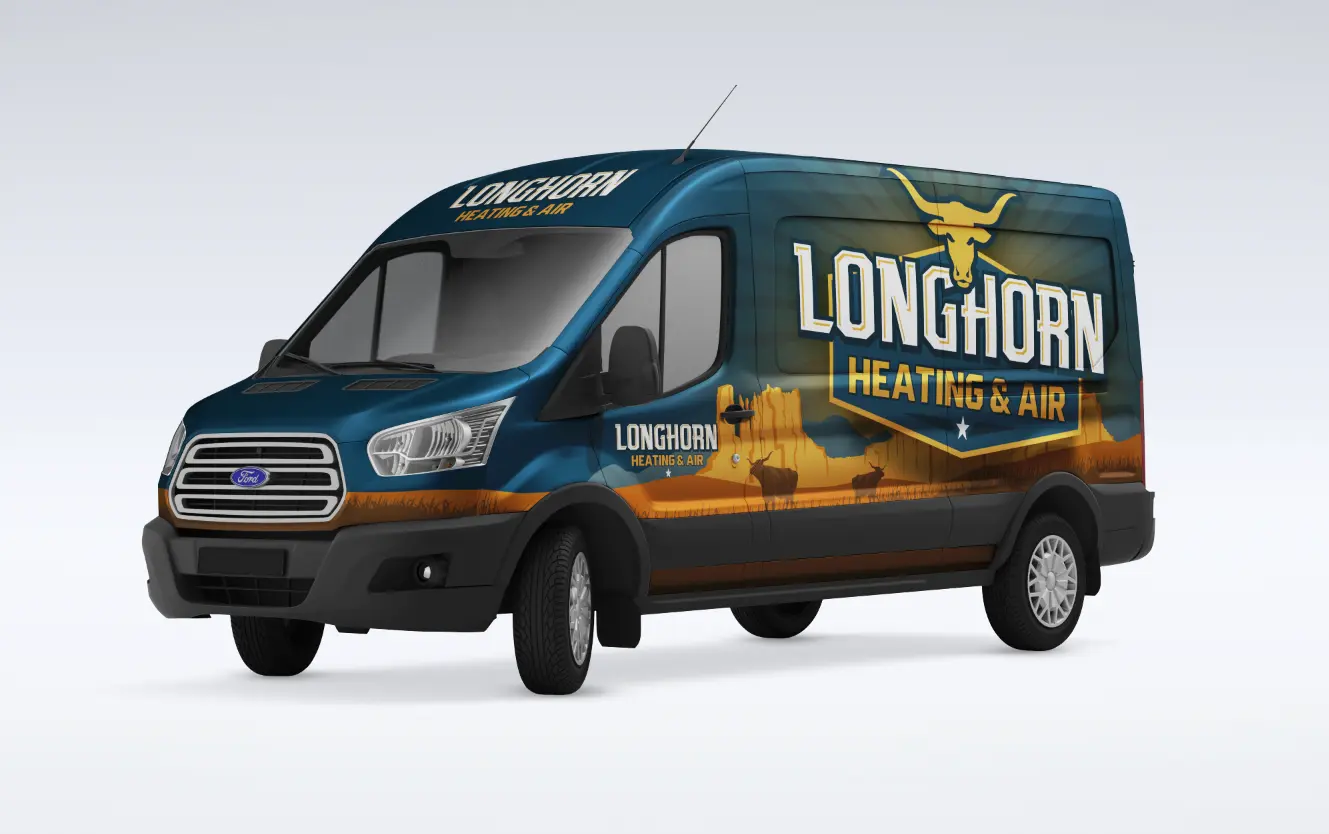
The full visual brief, not a single cropped image.
The original vehicle wrap references establish logo scale, color relationships, graphic proportions, and continuity across the side, rear, and front views.
Building the visual language in 3D.
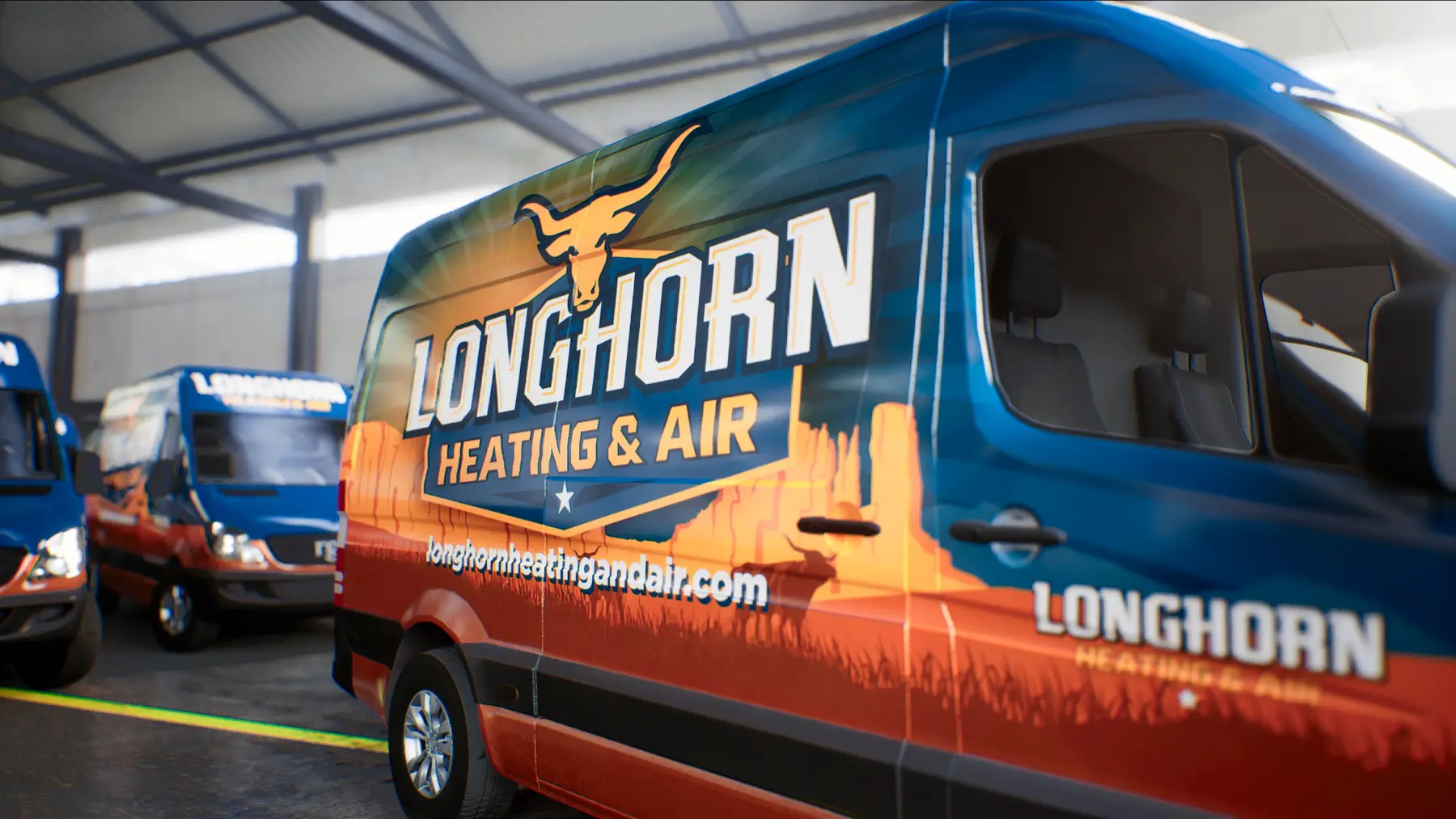
The vehicle asset was developed as a controlled 3D scene, focusing on material response, surface reflections, brand visibility, environment interaction, and cinematic composition. This created a reusable visual foundation for further exploration.
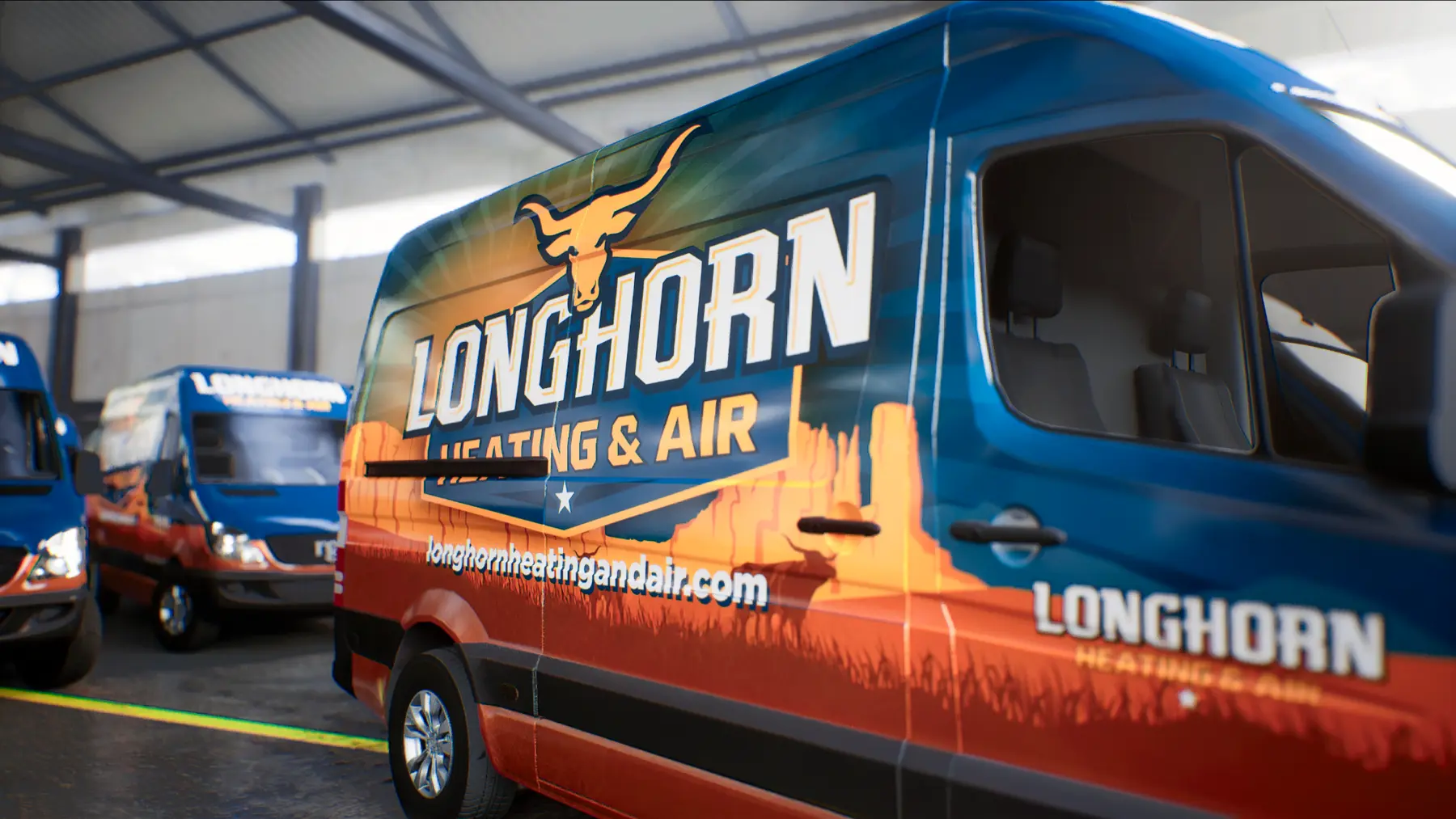
The process is part of the work.
The working footage makes the production logic visible: prepared assets move into Unreal Engine for environment staging, lighting, camera development, and rapid iteration before the final fleet presentation.
Scaling one asset into a branded system.
The single vehicle concept was expanded into a multi-vehicle environment, testing fleet consistency, scene staging, camera movement, lighting behavior, and brand visibility at scale. The final motion reel now leads the case study above.
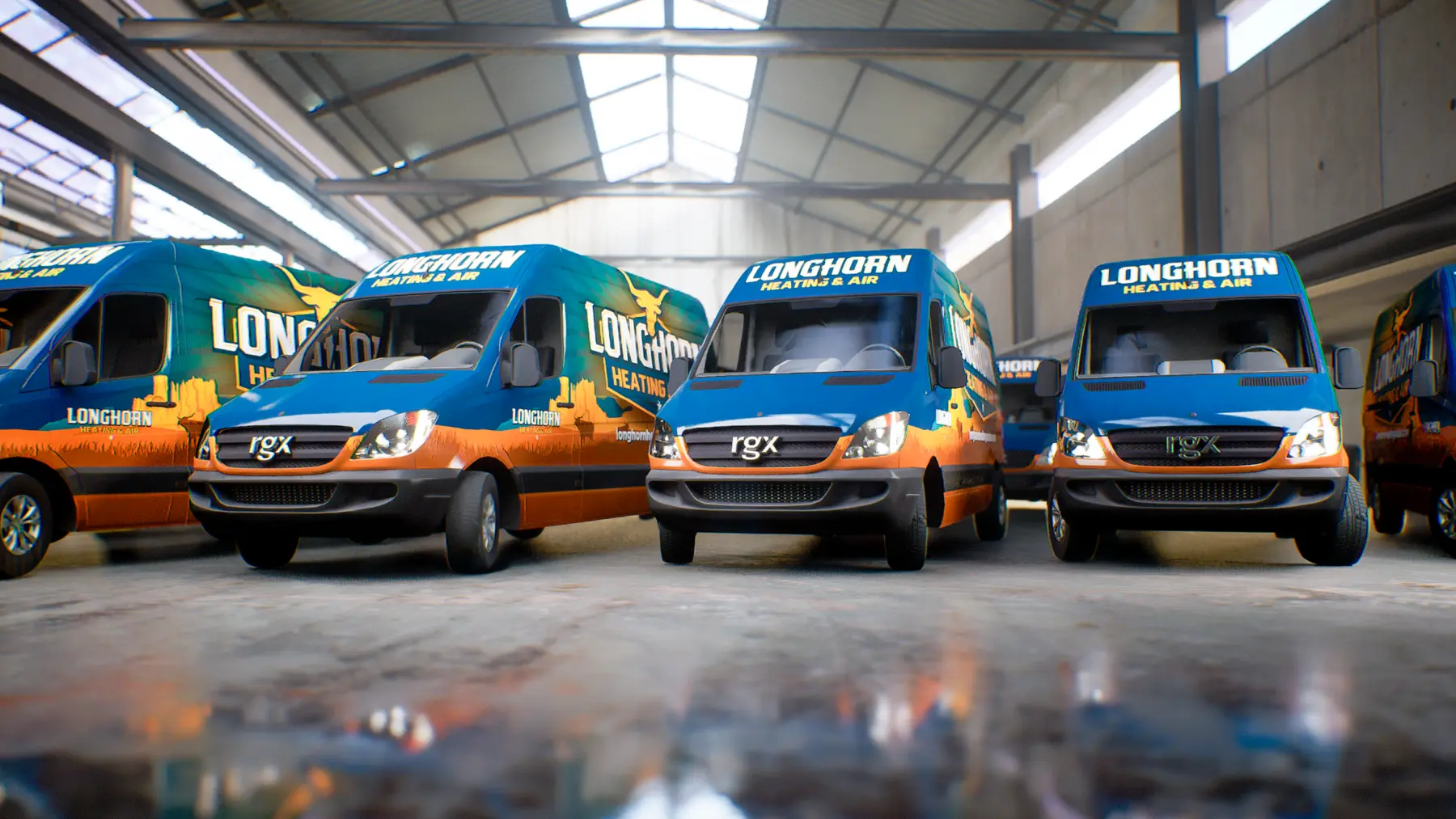
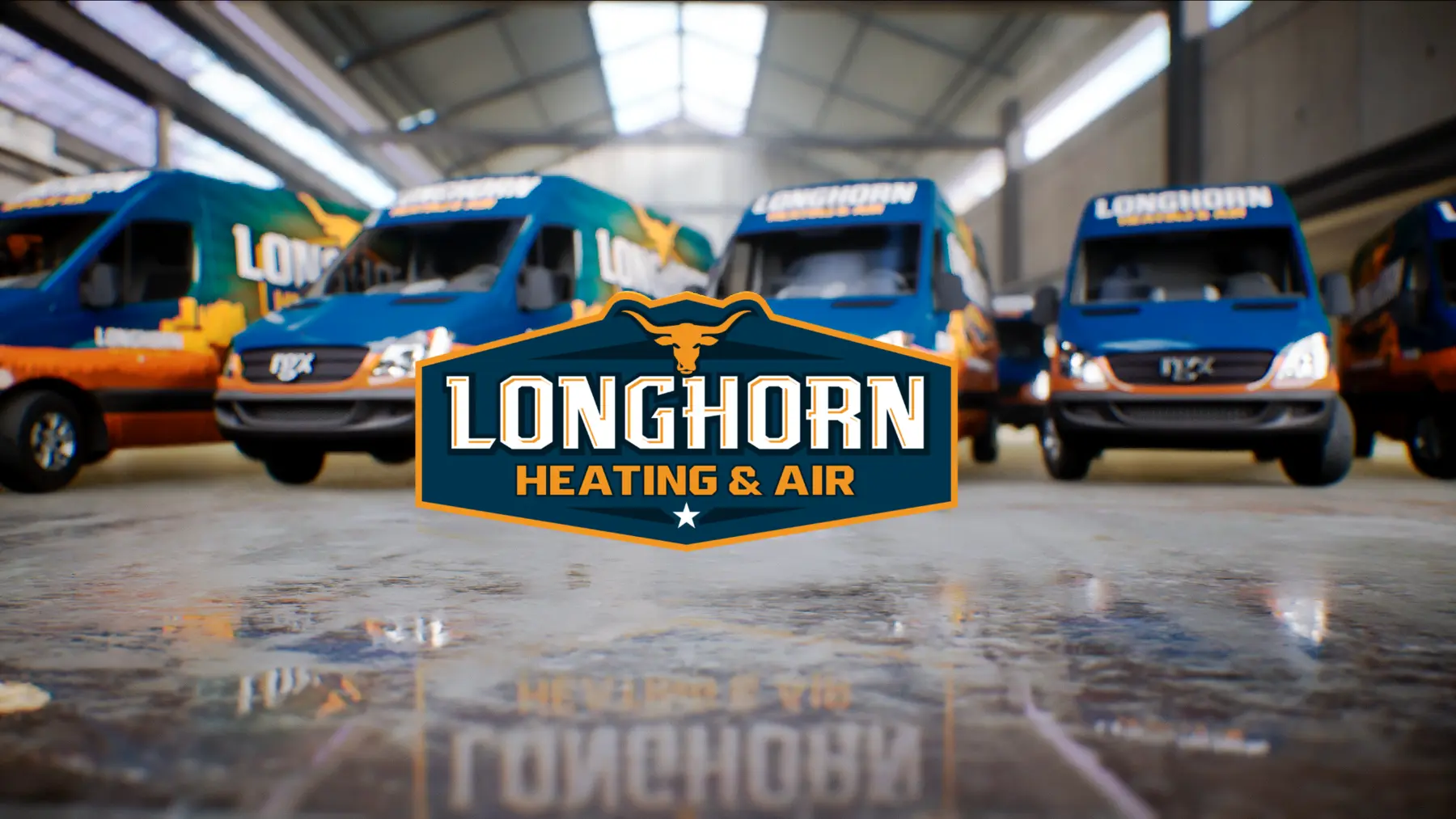
Supplied brand and wrap references are shown as source material. 3D asset development, scene setup, lighting, cameras, and real-time visualization by Luis Palacios.
- 3D brand visualization
- Look development
- Material design
- Real-time rendering
- Unreal Engine scene assembly
- Cinematic camera composition
- Brand system adaptation